








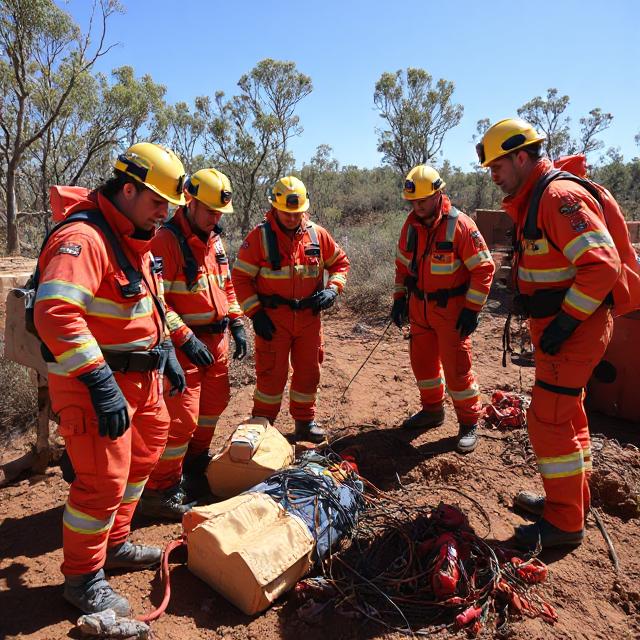
The role of a Coal Mine Rescuer Officer is unlike any other. Each day carries the possibility of confronting one of the most dangerous environments known to industry—an underground coal mine in crisis. While most of their working hours are spent in preparation and readiness, the unpredictability of an emergency means they must always be alert, highly trained, and mentally resilient. Their work blends technical skill, physical endurance, and psychological strength.
Morning Preparation
A Coal Mine Rescuer Officer typically begins their shift early. The day starts with a briefing, reviewing safety protocols, equipment status, and any recent incidents or alerts from operational mines in the area. Even when no active emergency is underway, rescuers maintain a state of constant readiness. They inspect breathing apparatuses, gas detection monitors, protective suits, and communication tools. A faulty piece of gear could mean the difference between life and death in a rescue mission. Physical fitness is also prioritized, so mornings often include a conditioning session: cardiovascular training, strength drills, and simulated underground exercises to maintain peak performance.
Training and Skill Development
Much of a Coal Mine Rescuer Officer’s day is dedicated to training. They rehearse confined-space navigation, smoke-filled environment drills, and rope rescue techniques. Gas testing exercises are routine, as toxic atmospheres are common in coal mine disasters. Officers also practice first aid and triage procedures, since victims may suffer burns, crush injuries, or smoke inhalation. Training doesn’t end with physical skills; technical knowledge is equally vital. Rescuers must understand mine layouts, ventilation systems, and geological hazards, so time is often spent studying blueprints and conducting scenario-based planning.
To qualify for the role, candidates usually need a background in mining operations, firefighting, or emergency response. Mandatory certifications include mine safety training, advanced first aid, and specialist rescue qualifications. Many also hold competencies in hazardous materials handling, breathing apparatus operation, and underground navigation. Experience in high-risk environments is essential, as rescuers must remain composed when conditions deteriorate rapidly.
On Call for Emergencies
Despite the long stretches of preparation, a Coal Mine Rescuer Officer’s day can change instantly. When an emergency occurs—such as an explosion, roof collapse, or gas leak—officers are deployed immediately. Their first responsibility is rapid assessment: determining the nature of the hazard, the condition of the trapped miners, and the safest possible entry route. Equipped with self-contained breathing apparatuses and thermal imaging cameras, they descend into the mine.
Inside, the work is gruelling. Darkness, unstable rock, extreme heat, and the ever-present risk of secondary explosions create an environment of immense pressure. Rescuers may have to crawl through tight passages, carry heavy equipment, or transport injured miners back to the surface. Every move requires calculated precision, as one misstep could endanger the entire rescue team.
Mental and Emotional Demands
The psychological burden of this job is profound. Coal Mine Rescuer Officers confront situations that push human endurance to its limit. They must manage their own fear while working to calm and save others. Decision-making under stress is critical—whether to advance, retreat, or adapt when a rescue path becomes blocked. Mental toughness is developed through resilience training, stress-management workshops, and years of experience in dangerous conditions. Peer support within teams also plays a crucial role, as rescuers often lean on one another after high-stress missions.
Emotional resilience is equally vital. Rescuers are sometimes faced with tragic outcomes, where not every miner can be saved. The ability to process these experiences without losing focus is a hallmark of the profession. Many engage in counselling or structured debriefing sessions to manage the psychological impact of their work.
End of Shift
When not responding to an active incident, a Coal Mine Rescuer Officer ends the day by logging training results, updating equipment checklists, and conducting debriefs with their team. They reflect on drills, refine techniques, and review lessons from previous operations. Each day, whether routine or crisis-filled, is a step toward ensuring readiness for the next emergency. A day in the life of a Coal Mine Rescuer is a very rewarding job.
Leave a Reply