








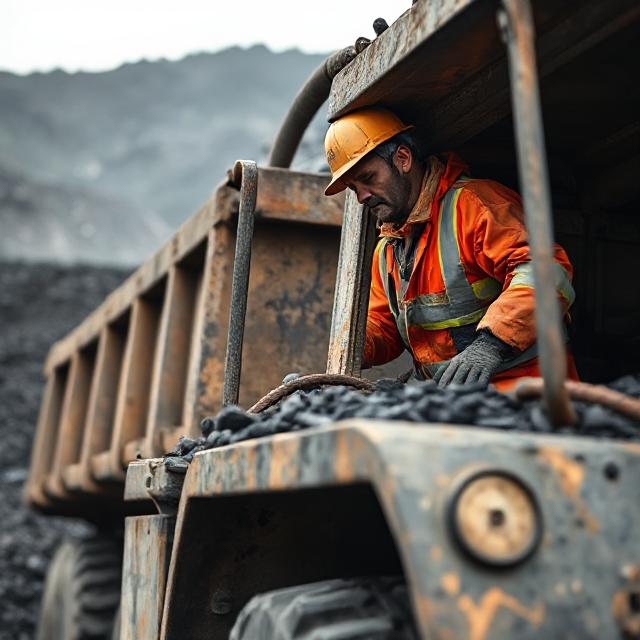
Getting a job in the mining industry in Australia can be highly rewarding, offering competitive salaries, excellent career progression, and the chance to work in one of the country’s most vital sectors. However, because the industry is both highly regulated and competitive, it’s important to understand the best strategies for breaking in and building a sustainable career. The following guide outlines the key steps and strategies to successfully secure a job in Australia’s mining industry.
1. Understand the Industry and Its Structure
Before applying for any role, it’s crucial to understand how the Australian mining industry operates. Mining is one of Australia’s largest economic sectors, with major operations across Western Australia, Queensland, and New South Wales. The industry includes a wide range of roles—from entry-level positions such as labourers, truck drivers, and trade assistants, to specialised roles like engineers, geologists, metallurgists, and environmental scientists.
The mining sector is divided into exploration, production, and processing stages. Each stage requires different skill sets and qualifications, so having a clear idea of where your skills fit best will help you target the right opportunities.
2. Obtain Relevant Qualifications and Training
Most mining jobs—especially those in technical or safety-sensitive areas—require specific qualifications or certifications. For entry-level positions, employers often look for candidates with:
- A current Standard 11 (generic mining induction) certificate for coal mines in Queensland or equivalent training in other states.
- A valid White Card (for construction and safety).
- Relevant trade qualifications (e.g., electricians, fitters, welders).
- A driver’s licence and often a heavy vehicle licence for equipment operation roles.
For professional and technical positions, tertiary qualifications in fields such as mining engineering, geology, environmental science, or occupational health and safety are valuable. Universities and TAFEs across Australia offer mining-related programs, and completing industry placements or internships during study significantly increases employability.
Additionally, short safety courses like First Aid, Working at Heights, and Confined Space Entry can strengthen your resume and demonstrate your readiness for site work.
3. Gain Experience and Start with Entry-Level Roles
Breaking into the mining industry often requires starting with entry-level or support roles before moving into more specialised positions. Roles such as trade assistants, cleaning staff, drillers’ offsiders, or truck operators are common entry points. Many major mining companies and labour hire agencies offer traineeships and apprenticeships that provide hands-on experience while earning an income.
For candidates with limited experience, FIFO (fly-in fly-out) or DIDO (drive-in drive-out) positions are popular. These roles allow you to work on remote sites for a set roster (for example, two weeks on, one week off), which is typical in Western Australia and Queensland. Demonstrating reliability, a strong work ethic, and adherence to safety standards in these roles can quickly lead to higher-paying and more stable positions.
4. Network and Use Industry-Specific Job Platforms
Networking plays a significant role in mining recruitment. Many positions are filled through referrals and internal recommendations, so building professional connections can be crucial. Attend industry expos, mining conferences, and training events to meet employers and learn about upcoming opportunities.
Online, focus on industry-specific job portals such as:
- SEEK Mining Resources & Energy section
- Indeed Australia
- WorkPac, Hays Resources & Mining, and Chandler Macleod
- Mining People International
- The official career pages of major mining companies like BHP, Rio Tinto, and Fortescue Metals Group
Maintaining an up-to-date LinkedIn profile highlighting your certifications, work experience, and availability for FIFO or DIDO work can also help recruiters find you.
5. Prioritise Safety and Attitude
Mining companies place enormous emphasis on safety culture and attitude. During recruitment, employers assess whether applicants understand the importance of safety and can follow strict protocols. Candidates should demonstrate knowledge of workplace safety standards, environmental responsibility, and teamwork in both their resumes and interviews.
Employers also value resilience, reliability, and flexibility—qualities that help workers cope with long hours, remote environments, and physically demanding tasks. A positive and proactive attitude can make as much difference as technical skills in gaining long-term employment.
6. Keep Learning and Upgrading Skills
The mining industry is constantly evolving, with increasing automation, digital technologies, and sustainability requirements. Workers who continue to upgrade their skills through additional training, certifications, or professional development courses will remain more competitive. Gaining exposure to data analytics, mine automation systems, or environmental management can open doors to higher-level roles and leadership opportunities.
Leave a Reply